Unprecedented Growth in Industrial and Logistics Demand
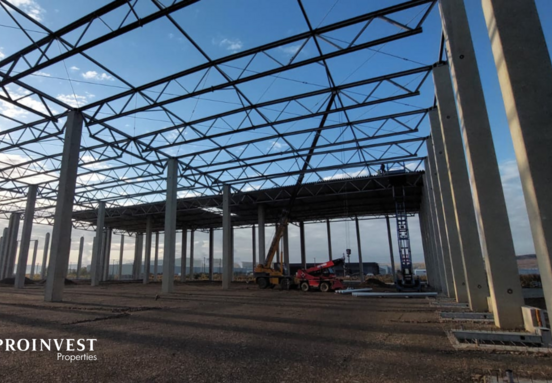
The Romanian industrial and logistics market witnessed significant expansion in 2025, with demand skyrocketing by 51% to a total of 1.27 million sqm. This represents the second-highest level in the market's modern history, a clear indicator of sustained business confidence and growth. A substantial portion of this activity, 60% (774,000 sqm), constitutes new demand, highlighting a proactive drive by companies to expand their operational footprints despite ongoing global and local economic uncertainties.
Key Drivers and Regional Hotspots for Industrial Space
The majority of this impressive demand was concentrated around Bucharest, which cemented its position as the premier destination for tenants, accounting for 75% of the total leased area. Following Bucharest, Timișoara emerged as the second-largest logistics hub, securing 77,100 sqm of leased space.
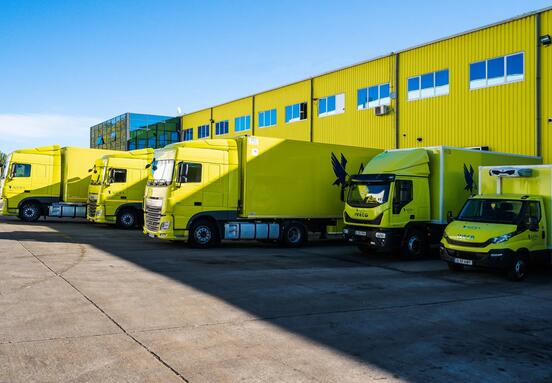
Sectoral demand was led by retail, e-commerce, and FMCG companies, which collectively contracted 430,000 sqm. Logistics operators were also highly active, leasing 217,000 sqm, followed by courier companies with 80,000 sqm. This diverse tenant base reflects the broad appeal and necessity of robust logistics infrastructure across various industries.
Market Dynamics and Future Outlook
The sustained surge in demand has naturally led to a decrease in vacancy rates. Nationwide, the vacancy rate dropped to 5.3%, with Bucharest showing an even tighter market at 4.7%. Currently, 417,000 sqm of industrial and logistics spaces remain vacant nationwide, with 180,000 sqm located near Bucharest.
Looking ahead, the industrial and logistics stock is projected to reach approximately 8.3 million sqm by the end of 2025, with nearly half of this concentrated in the bustling Bucharest-Ilfov region. This expansion is supported by ongoing infrastructure projects like A0 and A8, which are actively reshaping logistics flows and fostering the creation of new regional hubs in areas such as Ștefănești north of Bucharest, and the Moldovan cities of Iași and Bacău.
Romania's Strategic Repositioning in European Supply Chains
According to Ștefan Surcel, Head of Industrial Agency at Cushman & Wakefield Echinox, Romania is undergoing a significant transformation. The country is no longer merely perceived as a market for low-skilled, labour-intensive production. Instead, it is increasingly recognized for its capacity to support sophisticated, high value-added manufacturing facilities. This strategic repositioning within regional production chains is a key driver for the heightened demand for modern, well-connected, and sustainable industrial spaces.
Unbeatable Occupancy Costs in CEE
For businesses considering industrial or logistics space in Central and Eastern Europe, Romania offers a highly competitive advantage. Prime headline rents in Bucharest and other major hubs remained stable between €4.30-4.75 per sqm per month in 2025. Crucially, Romania boasts the most competitive occupancy costs in the CEE region, with rents up to 60% lower than in competing countries like the Czech Republic. This cost-effectiveness, combined with robust growth and strategic market repositioning, makes Romania an exceptionally attractive destination for businesses looking to optimize their supply chains and expand operations.