Understanding the Carbon Border Adjustment Mechanism (CBAM)
Effective January 1, 2026, the European Union's Carbon Border Adjustment Mechanism (CBAM) is set to reshape the landscape of commercial and industrial property development. This new carbon tax will apply to raw materials imported into the EU from non-member states, introducing an additional cost aimed at leveling the playing field for EU producers who already face carbon pricing within the bloc. This mechanism is designed to prevent 'carbon leakage' – where companies move production to countries with less stringent climate policies.
Key Materials and Countries Affected
The CBAM will primarily target carbon-intensive materials crucial for construction. These include essential base materials such as cement, iron, steel, and aluminum. The tax will be levied on imports from non-EU countries, with major suppliers like Turkey, China, and India expected to be significantly impacted. Businesses relying on these materials for construction or fitting out their spaces should be aware of the increased costs.
Significant Cost Increases Projected for Construction
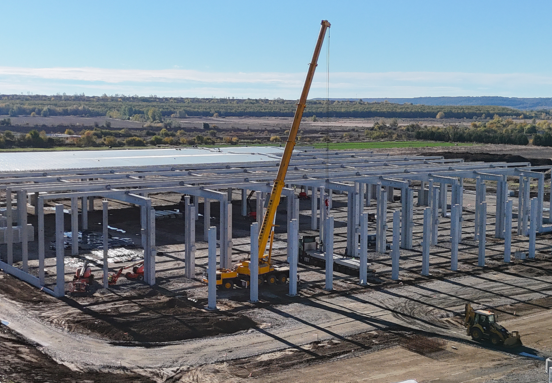
Industry analyses indicate substantial increases in construction expenses. Experts estimate a 9-10% rise at the raw material and semi-finished product level for steel, aluminum, and other metallurgical products. When considering the cumulative effect of these material price hikes, alongside potential increases in transport, labor, and indirect costs, the final price of a new construction project could surge by up to 15% in 2026 compared to 2025.
Impact on Industrial and Logistics Properties
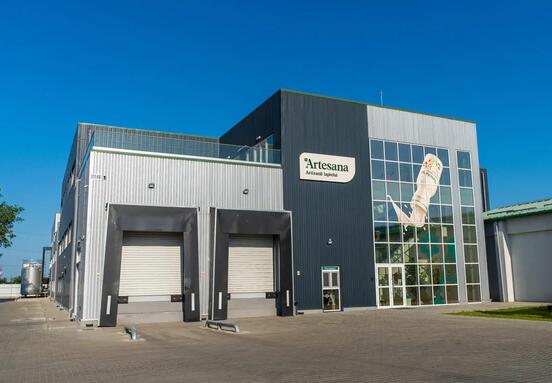
The effect of the CBAM will be particularly pronounced in the industrial and logistics sectors. Facilities such as warehouses, distribution centers, and manufacturing plants heavily rely on metallic structures and components. With the significant increase in the cost of iron, steel, and aluminum, developers of these crucial infrastructure types will face the brunt of the additional expenses. This direct impact means that businesses seeking new logistics or industrial spaces are likely to encounter higher development and, consequently, higher rental costs.
What This Means for Your Business: Rising Rental Costs
For businesses actively seeking office or warehouse space, these impending cost increases translate directly into potential rental price hikes. Developers of commercial and industrial properties will inevitably pass on the elevated construction costs through higher lease rates. This trend will affect not only newly built spaces but could also influence pricing across the broader market as demand shifts and supply costs escalate.
Preparing for the Future of Commercial Real Estate
Understanding the implications of the CBAM is crucial for strategic business planning. Companies looking to expand, relocate, or secure new commercial or industrial premises should factor these potential price adjustments into their long-term budgets and real estate strategies. Engaging with commercial real estate advisors now can help businesses navigate these changes, explore options, and make informed decisions to mitigate future cost impacts. Proactive planning can help secure more favorable terms before the full effect of the carbon tax fully manifests.
Source: economica.net